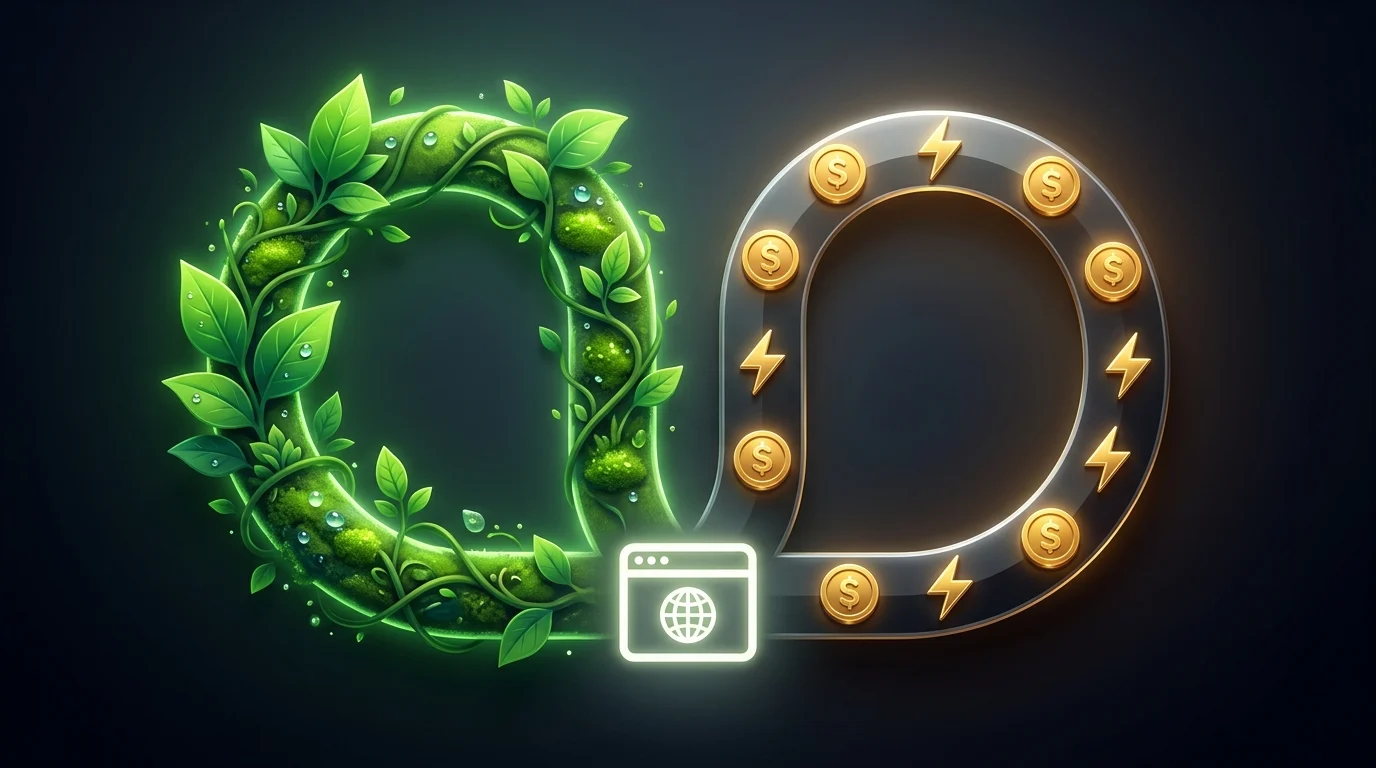
Organic Traffic vs. Paid Traffic: Which One Is Right for Your Website?
Published 2026-08-25
One of the most common questions website owners ask when they start thinking seriously about growth is this: should I focus on organic traffic or paid traffic? It's a great question — and the honest answer is that it depends on where you are, what you need, and what you're trying to achieve.
Let's break down both options clearly so you can make an informed decision.
What's the Difference?
First, a quick recap of the two:
Organic traffic comes from unpaid search results — primarily Google. When someone searches for a topic, finds your page listed in the results, and clicks through, that's organic traffic. You earn it through SEO — creating quality content, building authority, and maintaining a technically sound website.
Paid traffic is any traffic you pay for directly — whether that's Google Ads, social media advertising, or buying visitor packages from a traffic provider. You pay, visitors arrive. When you stop paying, the traffic stops.
Both are legitimate, effective strategies. The differences lie in speed, cost, sustainability, and best use cases.
The Case for Organic Traffic
Organic traffic has several compelling advantages that make it the long-term goal for most website owners:
It's free at the point of delivery. Once you're ranking well for a search term, every click costs you nothing. At scale, this can mean thousands of free visitors per day.
It's sustainable. A well-ranking page can continue delivering traffic for years. Paid traffic disappears the moment your budget runs out.
It builds trust. Many internet users consciously or unconsciously trust organic results more than ads. Ranking well in Google lends your site credibility.
It compounds over time. The more quality content you publish and the more authority your site builds, the more organic traffic grows — and it accelerates as momentum builds.
The catch? Organic traffic takes time. Most sites won't see meaningful organic traffic growth for at least three to six months after starting SEO efforts — and for competitive niches, it can take considerably longer.
The Case for Paid Traffic
Paid traffic has its own distinct advantages that organic simply can't match in certain situations:
It's immediate. The moment you launch a paid campaign or purchase a traffic package, visitors start arriving. There's no waiting period.
It's controllable. You decide exactly how much traffic you want, when it arrives, and — with good targeting options — who it consists of. Organic traffic is harder to predict and control.
It's ideal for testing. Before investing months in SEO for a particular page or offer, paid traffic lets you quickly test whether that page converts. If it doesn't, you find out fast and cheaply.
It can be scaled quickly. Need more traffic next week? Increase your budget or order size. Organic traffic can't be turned up on demand.
The catch with paid traffic? It costs money on an ongoing basis, and the quality varies significantly depending on the source. Poorly targeted paid traffic delivers poor results regardless of volume.
Where Each One Fits Best
Rather than thinking of organic and paid as competitors, it helps to think of them as serving different needs at different stages:
Paid traffic makes most sense when:
-
Your site is new and hasn't built any organic authority yet
-
You need visitors quickly to test a new page, product, or offer
-
You're running a time-sensitive promotion or campaign
-
You want to supplement organic traffic during a slow growth period
-
Your niche is highly competitive and organic ranking will take considerable time
Organic traffic makes most sense when:
-
You're thinking about long-term, sustainable growth
-
Your budget for ongoing traffic spend is limited
-
You're building a content-based site where authority and trust matter
-
You want traffic that continues working without continuous investment
The Smartest Approach: Use Both
Here's what most experienced website owners eventually discover — organic and paid traffic aren't an either/or choice. They work best together.
A practical combined strategy looks something like this:
-
Use paid traffic early to get visitors to your site while your organic presence is building
-
Test your pages and offers with paid traffic so you know what converts before investing heavily in SEO
-
Invest consistently in SEO and content to build long-term organic authority
-
Use paid traffic to boost specific pages or campaigns as needed, even once organic traffic is established
-
Gradually shift the balance toward organic as your rankings improve and your cost-per-visitor from paid sources becomes less necessary
This approach gives you the best of both worlds — immediate results from paid traffic and sustainable, compounding growth from organic.
The Bottom Line
Neither organic nor paid traffic is universally better. The right choice depends on your timeline, your budget, and your goals. For most website owners, the smartest long-term strategy combines both — using paid traffic for speed and flexibility, and organic traffic for sustainability and scale.
Recent Posts
- How to Use Geo-Targeted Traffic to Grow a Local Business Online
- Cheap vs. Expensive Web Traffic: What's the Real Difference?
- Why Targeted Adult Traffic Converts Better Than General Web Traffic
- Organic Traffic vs. Paid Traffic: Which One Is Right for Your Website?
- How to Buy Active Visitors Without Wasting Your Money
- The Beginner's Guide to Buying Social Media Traffic That Converts
- How to Get More Mobile Visitors to Your Website (Without Spending a Fortune)
What Our Clients Are Promoting:


Popular Tags